


Researchers at the University Medical Center Göttingen (UMG) and the University Medical Center Schleswig-Holstein (UKSH) have made a significant breakthrough in the treatment of severe heart failure: for the first time, a clinical trial has demonstrated that laboratory-grown heart muscle tissue can improve the pumping function of damaged hearts. The results were published in the New England Journal of Medicine. The study is part of a research programme run by the German Centre for Cardiovascular Research (DZHK). The development is also supported by the Göttingen-based biotechnology company Repairon GmbH.
As part of the BioVAT-HF-DZHK20 study, conducted jointly by UMG and UKSH, Lübeck University Heart Centre, under the scientific leadership of MBExC member Prof. Dr. Wolfram-Hubertus Zimmermann, Director of the Institute of Pharmacology and Toxicology at UMG, a heart patch grown from stem cells is being investigated as a new therapeutic approach for patients with severe heart failure. The study is the world’s most comprehensive clinical investigation of a therapy based on pluripotent stem cells and, according to the researchers, is the first study in this field to demonstrate a statistically significant clinical benefit in treated patients.
You can find the press release (in German) here.
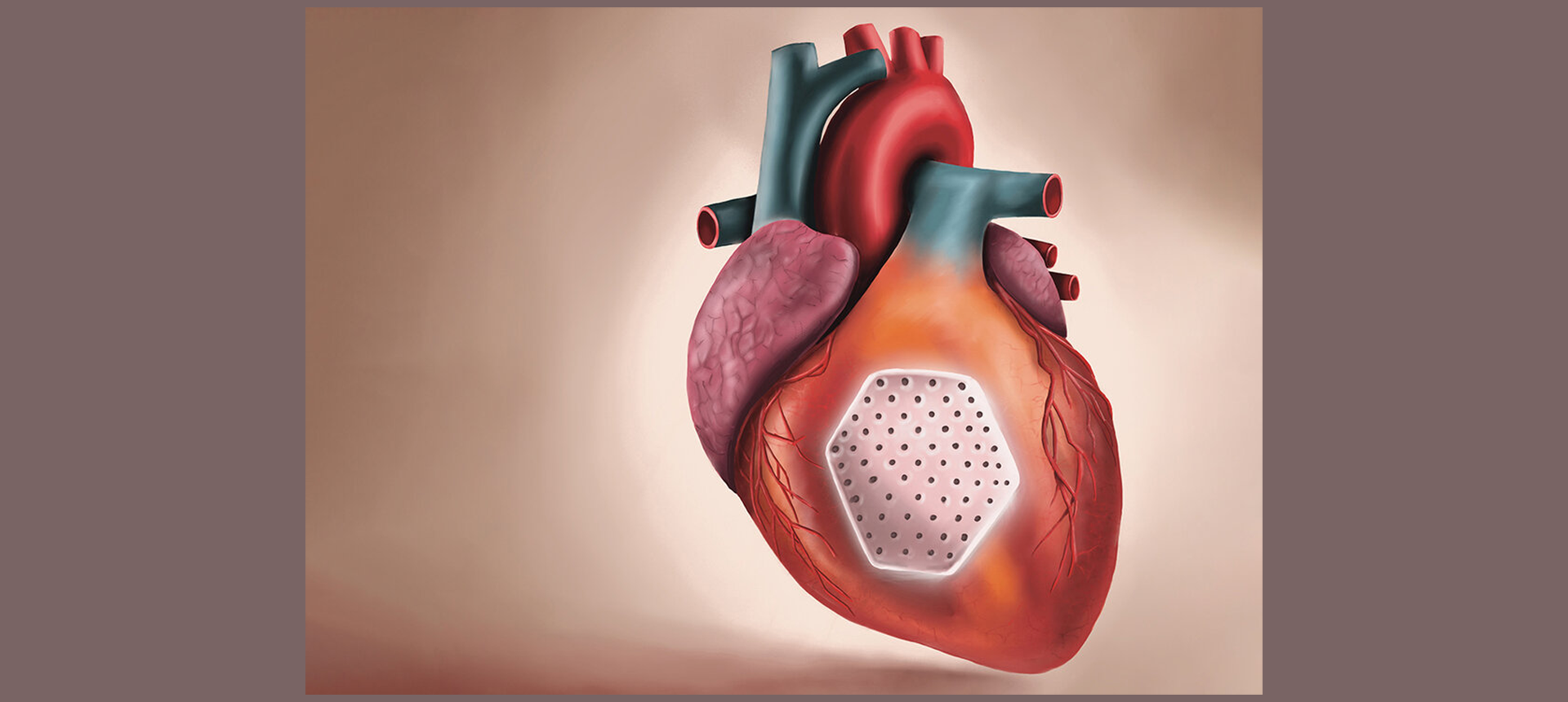
Significant progress has been made in the treatment of severe heart failure. For the first time, a clinical trial has demonstrated that laboratory-grown heart muscle tissue can improve the pumping function of damaged hearts. Image: UMG/Eva Meyer-Besting
