


In a joint study conducted by the DZHK sites in Heidelberg, Munich and Göttingen, researchers are deciphering how the spatial organisation of the genome in the heart determines genetic disease risks.
Most of the genetic risk variants for heart disease are outside of genes and don’t work the same way everywhere in the heart.
A new study published in Nature Communications shows why they can contribute specifically to cardiac arrhythmia or heart failure: it is not only the gene itself that is decisive, but also how its regulatory switching elements are organised in the cell nucleus. The study systematically demonstrates for the first time that this gene regulation differs between atrial and ventricular muscle cells, thereby influencing the effect of disease-relevant genetic variants.
You can find the press release here.
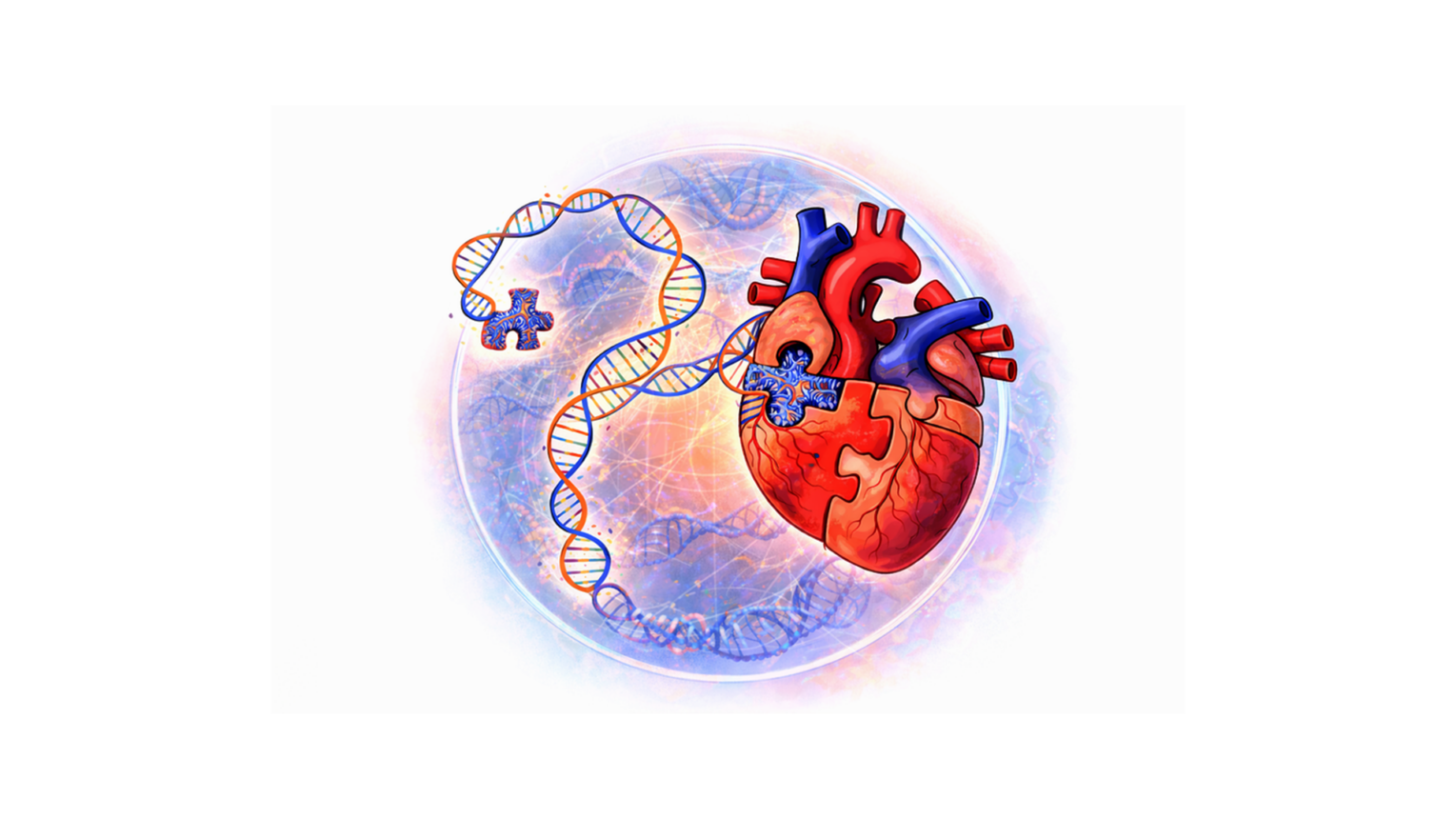
Photo: ChatGPT
